Small Business Digital Marketing System That Converts
A small business digital marketing system connects your website, ads, SEO, and follow-up so more qualified leads become booked, revenue-ready clients.

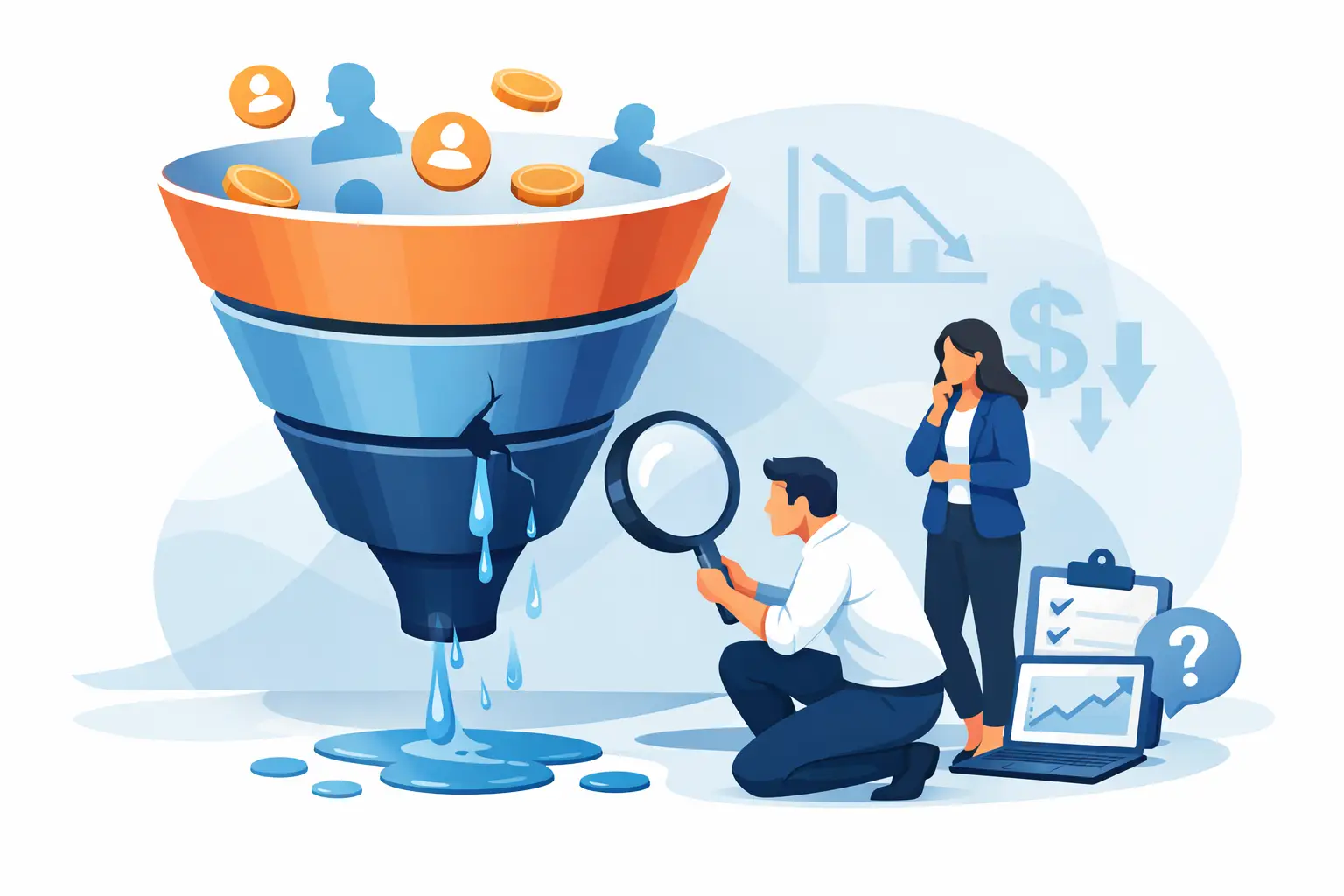
A lead submits a form at 9:12 p.m. Your office opens at 9:00 a.m. The next morning, someone calls after the prospect has already contacted two competitors. That is not a traffic problem. It is a system failure.
A small business digital marketing system is the connected infrastructure that turns attention into qualified conversations, booked appointments, and revenue. It includes the website, local search presence, paid acquisition, intake, follow-up, booking, reviews, and reporting. When those pieces are managed separately, the business pays for activity while leads disappear between handoffs.
For a law firm, that leak might be an unreturned consultation request. For a dental practice, it might be a patient who cannot find an appointment slot. For a mortgage broker or real estate team, it is often slow response time and weak nurture after an inquiry. The channel changes. The operational cost does not.
Why isolated marketing channels underperform
Most service businesses do not lack marketing tools. They have too many tools with no operating logic between them. A website vendor manages pages. An agency runs ads. A receptionist handles calls. Someone posts on social media when time permits. Reporting arrives once a month, usually full of impressions, clicks, and vague optimism.
None of that answers the only question that matters: did a qualified prospect reach the right next step quickly enough to become a client?
A high-performing system treats each channel as part of one conversion path. Google Ads should send people to a page built for the specific service and location they searched for. That page should make the next step obvious, whether it is calling, booking, requesting a consultation, or starting a prequalification flow. The inquiry should enter a pipeline immediately, trigger a prompt response, and remain visible until it is closed or disqualified.
This is less glamorous than a brand refresh. It is also where revenue is won.
The small business digital marketing system: six connected layers
The right system is not a fixed software stack. A two-location dental group needs different workflows than a solo attorney handling high-value cases. But the architecture is consistent.
1. A website built to convert intent
Your website is not an online brochure. It is the conversion layer for every other marketing investment.
A prospect arriving from a search for “emergency dentist near me” has different questions than one researching cosmetic treatment options. A homeowner looking for a mortgage renewal needs a different path than a first-time buyer. Generic service pages force all of those visitors through the same experience and lower conversion rates before your team ever gets involved.
Conversion-focused pages make the offer, location, credentials, proof, and next step clear. They load quickly, work cleanly on mobile, and remove unnecessary friction from forms and booking flows. They also need reliable hosting, analytics, tracking, and ongoing technical maintenance. A broken form or slow mobile page is not a design issue. It is lost demand.
2. Local visibility that captures high-intent demand
Local SEO is often described as a long-term play. That is true, but it should not mean publishing generic articles for months while ignoring the basics.
Service businesses first need accurate business information, strong location and service pages, a credible review profile, technical site health, and content that answers actual customer questions. For multi-location operators, each office needs its own clear local presence without thin, duplicated pages.
The objective is not to rank for every broad keyword. It is to appear when a local buyer is ready to choose. Search visibility works best when it supports a clear conversion path, not when it sends visitors to a homepage built for everyone.
3. Paid acquisition with controlled economics
Paid search can produce leads quickly, which is why it is frequently mismanaged. Businesses turn on campaigns before the landing page, tracking, qualification rules, and follow-up process are ready. Then they blame ads for leads that were never properly handled.
Google Ads is most useful when demand already exists and the business can respond fast. It is less useful when the offer is unclear, the sales team cannot handle additional inquiries, or the market economics do not support the cost per booked opportunity.
Track more than clicks and form fills. Track calls answered, appointments booked, consultations attended, qualified opportunities, and closed revenue where possible. Some lead volume is worthless. A smaller number of properly qualified inquiries can be far more profitable.
Direct platform billing also matters. When ad spend is visible and separate from management, owners can evaluate performance without wondering where the budget went. Transparency is not a nice-to-have when acquisition costs affect margin.
4. Fast intake, qualification, and routing
The first five minutes after an inquiry can matter more than another five hours spent refining ad copy. Yet many businesses still rely on an inbox that is checked between appointments or a phone line that rolls to voicemail.
A practical intake system acknowledges the lead immediately, captures the essential details, and routes the inquiry to the right person. AI chat and booking tools can help outside business hours, answer common questions, collect context, and offer available times. They should support human service, not pretend to replace it for complex or sensitive conversations.
Qualification needs judgment. A personal injury firm may prioritize case type, jurisdiction, and urgency. A lender may need loan purpose, estimated purchase price, and timeline. A real estate team may segment buyers, sellers, investors, and referral partners. Ask only for information that changes the next action. Long forms can improve data quality, but they can also suppress submissions. The right balance depends on lead volume, deal value, and your team’s capacity.
5. Follow-up that does not depend on memory
The average service business loses more revenue in follow-up than in advertising. Not because the team is careless, but because manual processes fail under normal operating pressure.
A disciplined system uses automated confirmations, reminders, internal notifications, and structured nurture for leads that are not ready to buy today. It also creates clear ownership. Every inquiry needs a status, a next step, and a responsible person.
Automation should be useful rather than noisy. A prospect who requested a consultation needs confirmation and practical preparation details, not seven promotional emails. A longer-cycle mortgage or real estate lead may benefit from timely education and check-ins. The cadence should reflect the buying cycle and the seriousness of the decision.
6. Reporting tied to operational outcomes
A dashboard should make decisions easier. If it only reports traffic, reach, and engagement, it is a marketing report, not an operating report.
Review source-level performance: organic search, paid search, referrals, direct traffic, and other meaningful channels. Then connect those sources to conversion events such as calls, forms, chats, booked meetings, show rates, and qualified leads. Where the CRM process is mature enough, connect marketing to signed cases, funded loans, accepted treatment plans, or closed transactions.
Perfect attribution is rarely possible. People research across devices, call directly, and return days later. Do not wait for perfect data. Build enough visibility to identify obvious leaks, make a decision, and test the fix.
Build the system in the right order
Businesses often start with the most visible tactic: a new website, a social content calendar, or a paid ad campaign. The smarter sequence starts with the conversion path.
First, define the high-value action. Is it a booked consultation, a call with a qualified intake coordinator, a treatment request, or a mortgage application? Next, inspect what happens after that action. Who responds, how fast, what information is captured, and how are outcomes recorded?
Then build or repair the website and landing pages around that path. Add tracking before spending heavily on acquisition. Once intake and follow-up are reliable, increase demand through local SEO, paid search, review generation, and targeted content.
This order prevents a common waste pattern: paying to create more leads before the business can convert the leads it already receives.
What to demand from a growth partner
A vendor that only manages one channel will naturally optimize that channel. That may be useful, but it leaves the business owner responsible for connecting the rest.
For established service businesses, the better model is one accountable partner that can engineer the full stack: site performance, search visibility, paid traffic, lead capture, automation, reporting, and the workflows between them. Rivelo approaches this as engineered business infrastructure, not a collection of monthly marketing tasks.
Ask direct questions before signing anything. Who owns the website and advertising accounts? Is ad spend billed directly? What happens when a lead submits after hours? How are calls, forms, bookings, and outcomes tracked? What is included in the monthly fee, and what creates an extra charge? Clear answers usually signal clear operations.
Avoid vendors who promise rankings, leads, or automation without discussing capacity and conversion. Marketing cannot compensate for an uncompetitive offer, unreturned calls, or a team that has no room for new clients. It can, however, expose those constraints quickly and create the operating discipline to fix them.
The goal is not to add more marketing. It is to make every serious inquiry easier to capture, easier to act on, and harder to lose. Start with the lead that arrived last night and ask a simple question: if that person is ready to buy, does your business have a dependable next step waiting for them?