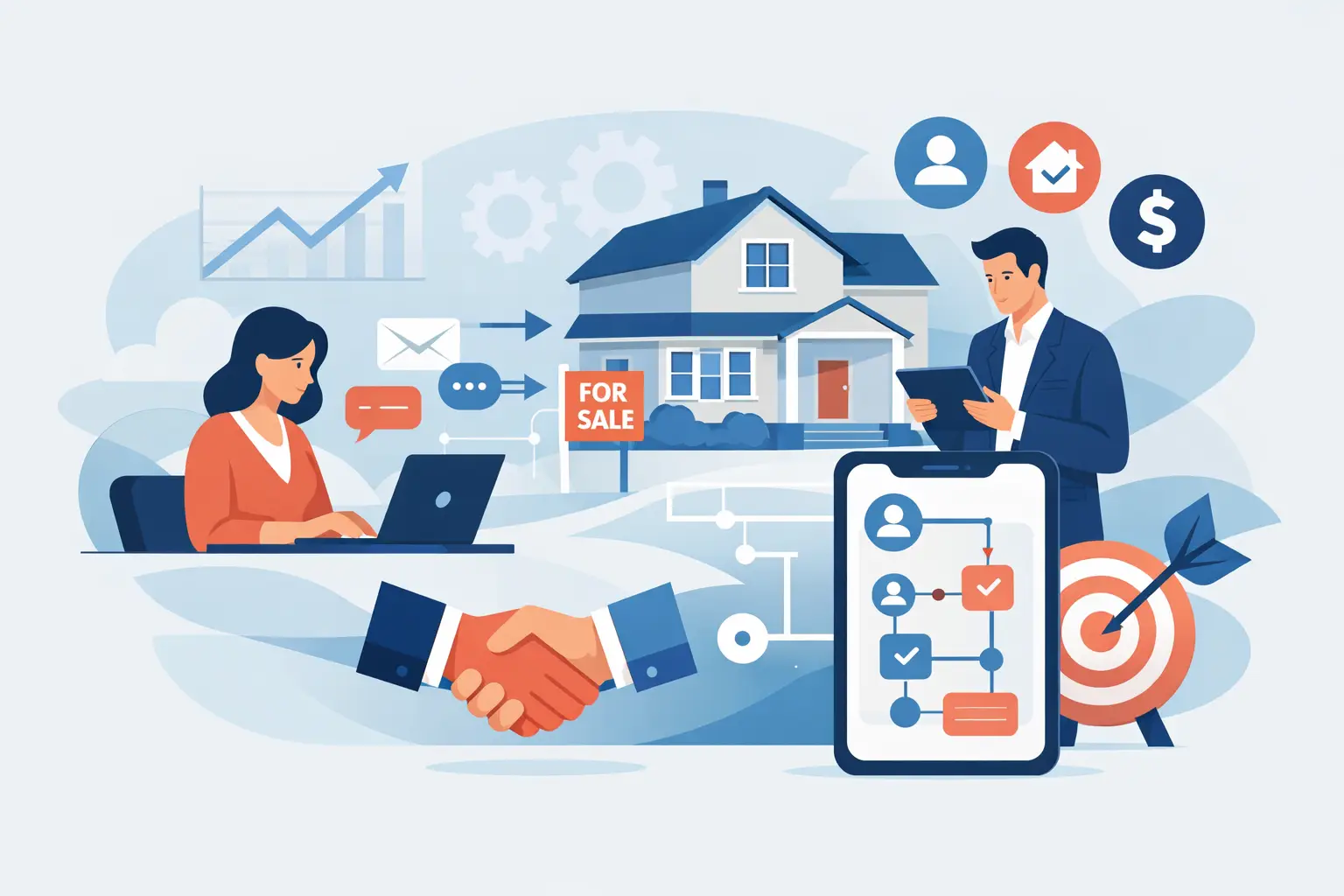
Why Are Leads Not Converting? Find the Leak
Why are leads not converting? Diagnose weak intake, slow follow-up, poor qualification, and broken booking paths before more ad spend is wasted today.
A mortgage broker pays for a click, the prospect completes a form, and then nothing happens for four hours because everyone is with clients. A dental practice gets a missed call at 4:45 p.m. and returns it the next morning. A law firm receives an inquiry with no practice-area details, so the intake team spends two days trying to determine whether the case is even a fit.
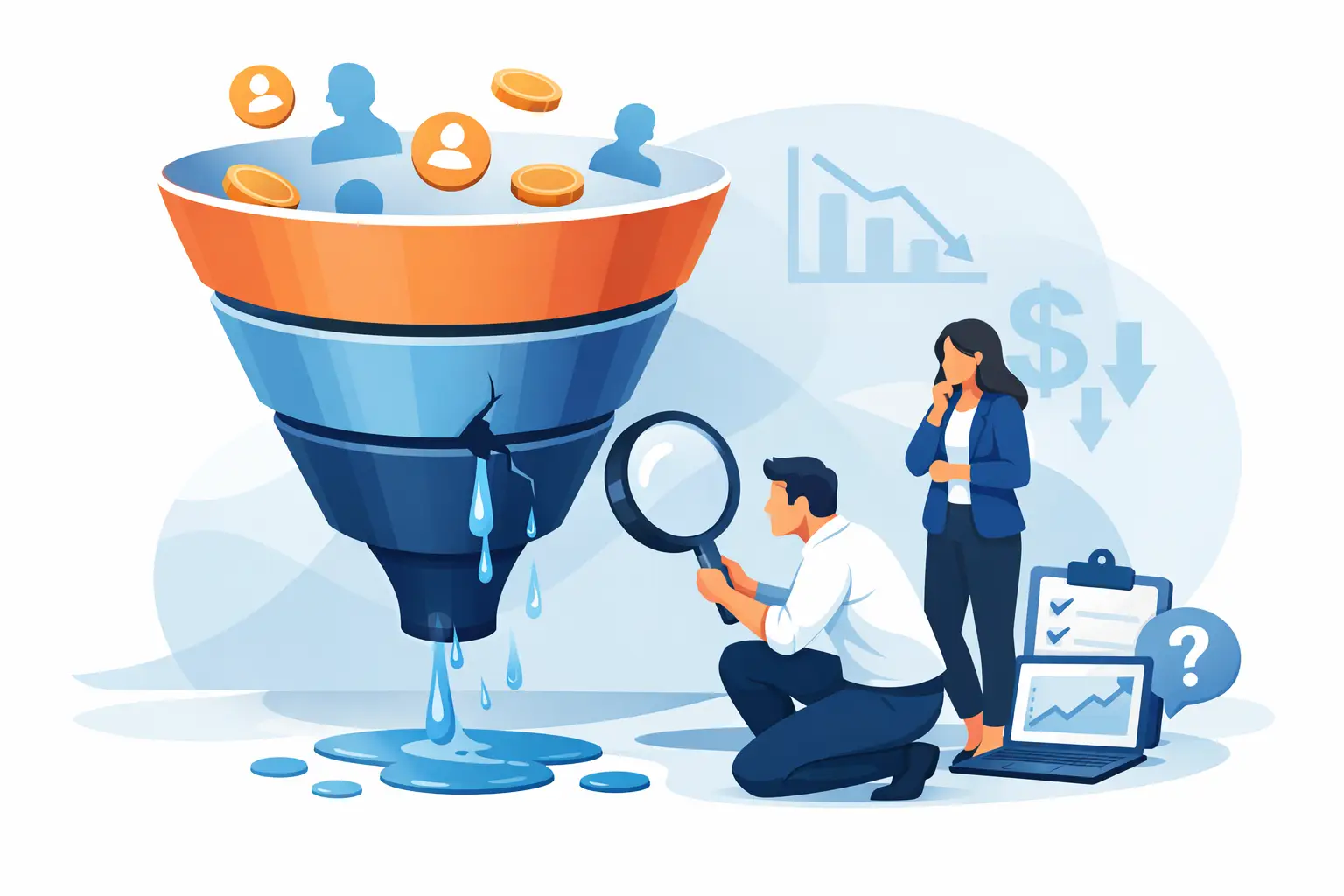
That is why are leads not converting is rarely the right question on its own. The better question is: where does the revenue path break between first interest and a committed appointment? More traffic will not repair a slow response, a confusing booking flow, or an intake process that treats every inquiry like an interruption.
For service businesses, conversion is not a pageview metric. It is a system outcome. The lead must receive a relevant offer, get a fast answer, understand the next step, and reach a person or booking tool before intent fades. If one handoff fails, paid ads, SEO, referrals, and a polished website can all look ineffective.
Why Are Leads Not Converting? Start With the Handoff
Most operators diagnose conversion through the channel: Google Ads is expensive, SEO leads are weak, social leads never close. Channel quality matters, but it is only one variable. A referral who waits until tomorrow for a reply can convert worse than a paid lead answered in 90 seconds.
Map the path from acquisition to revenue. For each lead source, identify when the inquiry arrives, how it is captured, who sees it, how quickly that person responds, what information they have, whether the lead can book, and what happens if they do not respond. Do not rely on what the team believes happens. Review timestamps, call recordings, CRM activity, calendars, and message threads.
This exercise usually exposes an operational leak, not a marketing mystery. The contact form works, but notifications are sent to an unmonitored inbox. Calls are tracked, but missed callers get no immediate text. An AI chat captures the lead, but does not push the data into the intake workflow. A calendar exists, but only has availability two weeks out.
A lead does not care whether the failure sits with marketing, reception, sales, or technology. They simply choose the next provider who makes progress easier.
The Most Expensive Conversion Leaks
The offer attracts curiosity, not a decision
A broad message such as “trusted legal services” or “your local real estate experts” may generate interest, but it gives a prospect no clear reason to act now. High-intent visitors want to know whether you solve their specific problem, where you operate, what happens next, and whether they are likely to qualify.
For example, a lending campaign built around “competitive mortgage rates” can attract rate shoppers with limited intent. A campaign focused on pre-approval guidance for self-employed buyers provides a clearer problem, audience, and next step. The second approach may create fewer form submissions, but often produces better conversations.
Do not optimize for lead volume alone. Optimize for qualified appointments, consults completed, applications started, and signed clients. Cheap leads are expensive when they consume staff time without producing revenue.
Response time is slower than buyer intent
Speed is a competitive advantage in local services because prospects usually contact multiple providers. The first useful response often sets the appointment. A generic auto-reply is better than silence, but it is not enough if the lead must still wait hours for a real answer.
Build a response sequence that matches the inquiry type. A missed call should trigger a short text that confirms receipt and offers a callback or booking option. A web form should create a CRM record, alert the right person, and send a confirmation that states the next step. High-value inquiries may justify immediate routing to a live team member during business hours.
Automation should create momentum, not impersonate a person badly. If an automated message promises a call within 10 minutes, the business must reliably meet that promise. Otherwise, the automation compounds the trust problem.
Qualification happens too late
Many service teams collect only a name, phone number, and email because shorter forms generally increase submissions. That trade-off can be valid, especially for urgent needs. But a zero-context lead forces the team to qualify from scratch and makes accurate routing difficult.
Use just enough friction to capture decision-making information. A family law firm may need the legal issue and county. A dental practice may need new-patient status, insurance basics, and appointment preference. A real estate team may need buy, sell, or both, target area, and expected timeline.
The objective is not to build a long questionnaire. It is to turn an anonymous inquiry into a conversation your team can handle well. If the question does not change routing, urgency, or follow-up, do not ask it.
The booking path asks too much work from the prospect
“Contact us to learn more” is a weak call to action when the visitor is ready to take the next step. They should see a clear action tied to their intent: request a consultation, call now, get pre-approved, schedule a new-patient visit, or ask about a listing.
Booking tools help when availability is accurate and the appointment type is clear. They hurt when they show a dense calendar, require account creation, or let unqualified visitors book time that staff must later cancel. In some practices, a callback request is the better path because insurance, urgency, or treatment needs must be reviewed first.
There is no universal conversion tactic. The right workflow depends on the value of the appointment, the urgency of the problem, staff capacity, and how much pre-qualification is necessary. Engineer the path around the real operating model, not a generic website trend.
Follow-up stops after one attempt
A prospect who does not answer immediately is not necessarily unqualified. They may be in a meeting, comparing options, dealing with a family issue, or simply not ready to speak at that moment. One call and one voicemail is not a follow-up system.
Create a short, compliant sequence across the channels your prospects actually use. For many businesses, that means a timely call, a helpful text, and an email that answers the most common next question. The message should move the decision forward, not repeat “just checking in.”
Context matters. Reference the service requested, offer a specific action, and remove friction. “We have two consultation openings tomorrow” is more useful than “Please call us back at your convenience.” Track which attempts create replies and appointments, then refine the sequence based on evidence.
Measure the Funnel Beyond Form Submissions
If your reporting ends at leads generated, you are managing the least valuable part of the funnel. A stronger scorecard connects marketing activity to operational outcomes:
inquiry-to-contact rate
median first-response time
contact-to-booking rate
booking-to-show rate
qualified appointment-to-client rate
revenue by source and service line
These numbers identify different problems. A low inquiry-to-contact rate points to missed calls, bad contact data, or slow response. A healthy contact rate with weak booking can signal poor scripts, unclear pricing expectations, or an offer mismatch. Strong bookings with poor show rates often point to weak reminders, long wait times, or inadequate commitment at scheduling.
Review the funnel by source rather than blending everything together. Organic search may bring high-intent prospects seeking a specific service. Paid search may create faster volume but require tighter keyword controls and qualification. Referral leads may close well but receive slower attention because teams assume they are already sold. Each source deserves its own diagnosis.
Fix One Constraint Before Buying More Traffic
The common reaction to disappointing results is to redesign the homepage or increase ad spend. Sometimes that is justified. More often, it creates more volume through the same broken intake process.
Find the constraint with the largest commercial impact. If 40% of calls are missed, solve call capture and immediate follow-up first. If consultations are booked but only half attend, improve confirmation, reminders, and pre-visit expectations. If leads are answered quickly but rarely qualify, tighten the offer and the questions used to route inquiries.
This is where an integrated growth system earns its keep. The website, ads, CRM, chat, call tracking, scheduling, and staff workflow should operate as one revenue path. Rivelo approaches that path as engineered infrastructure, not a stack of disconnected marketing deliverables.
Treat Every Inquiry as a Time-Sensitive Asset
A lead is not a win because it appeared in a dashboard. It is an asset with a short window of value, and its value declines every time the business makes the prospect wait, repeat themselves, or guess what to do next.
Start with the most recent 25 inquiries. Follow each one from first contact to final outcome, then fix the first recurring break you find. That work is less glamorous than launching another campaign, but it is usually where conversion begins to move.