Review Automation for Local Businesses
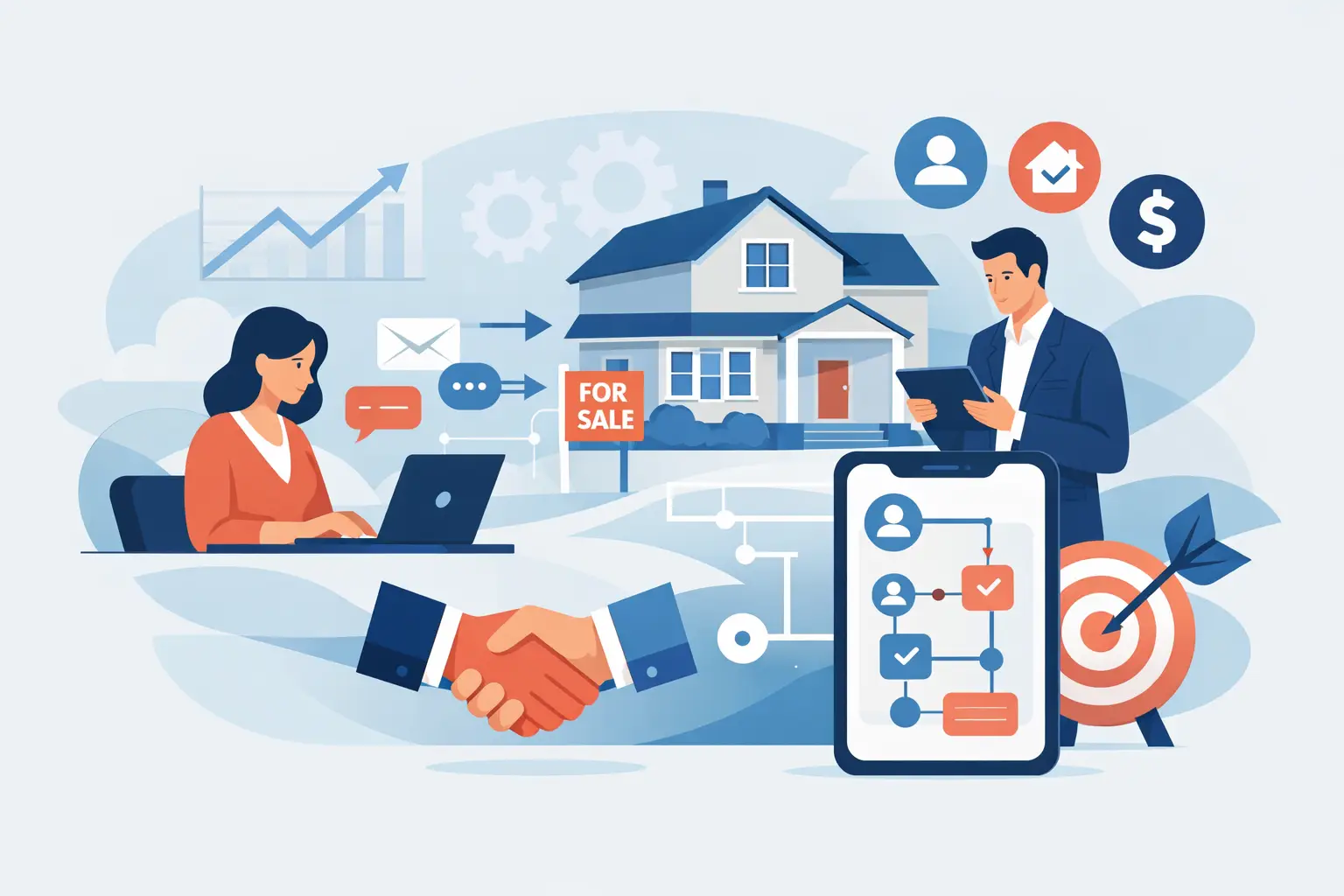
Review automation for local businesses turns completed service into credible proof, with the right timing, routing, and reporting built in, reliably, daily.

A five-star rating is not a vanity metric when a prospect is choosing between three dentists, attorneys, mortgage brokers, or real estate teams on a map. It is conversion proof at the exact moment trust is thin. Review automation for local businesses turns that proof from an occasional staff task into a controlled operational process.
The difference matters. Most service businesses do not have a review problem because clients are unhappy. They have a process problem. The team finishes a strong appointment, closes a file, funds a loan, or hands over keys, then moves to the next urgent task. The best time to ask passes. A manual reminder may happen later, or not at all.
That is lost reputation equity. A properly engineered review system captures it while the experience is still fresh, measures what is happening, and keeps your staff out of repetitive follow-up.
Why Reviews Affect More Than Your Star Rating
Local buyers use reviews to reduce perceived risk. A patient wants evidence that a dental practice is organized and gentle. A prospective legal client wants signals that the firm communicates clearly and handles sensitive matters professionally. A home buyer wants confidence that an agent follows through. The details vary by vertical, but the buyer behavior is consistent: people look for recent, specific, credible experiences.
Review volume, recency, and response quality also influence local search visibility. But traffic is only part of the equation. A profile with 180 detailed reviews will generally convert more map views into calls than a profile with 22 reviews from several years ago, even when both businesses rank in a similar position.
This is why review collection belongs in the revenue system, not in a monthly marketing checklist. It affects discovery, trust, calls, booked consultations, and close rates. Less theatre, more execution.
What Review Automation Actually Does
Review automation is not blasting every contact in your database with a generic message. That approach is lazy, can create compliance issues, and often produces low response rates.
A good system connects a real service milestone to a timed request. The trigger might be a completed appointment, signed matter, funded mortgage, successful closing, finished installation, or resolved support request. Once that event occurs, the customer receives a short, branded message through their preferred channel, usually text or email, with a direct path to leave feedback.
The system should also record delivery, opens where available, clicks, completed reviews, and follow-up status. That makes review generation measurable rather than anecdotal.
A working workflow usually contains five components:
A reliable trigger from your CRM, practice management system, booking platform, or a simple staff-controlled status update.
Timing rules that match the customer journey rather than a one-size-fits-all delay.
A concise request that makes the action clear and takes seconds to complete.
Automated reminders that stop as soon as the customer responds or a review is posted.
Reporting that shows request volume, conversion rate, review growth, rating trends, and location-level performance.
The technology is not the strategy. The strategy is deciding who should be asked, when they should be asked, and how the request fits the service experience.
Timing Is the Highest-Leverage Decision
The strongest review request arrives after value is clear, not whenever your software happens to send a batch.
For a dental practice, that may be shortly after a successful hygiene visit or treatment completion, not immediately after a patient is still managing discomfort. For a mortgage professional, the right moment may be after funding, when the stress of the transaction has passed. For a real estate team, a request may work best after closing and the first post-close check-in. A law firm may need a more conservative workflow based on matter type, confidentiality, and the emotional nature of the client relationship.
This is where generic automation fails. It treats all contacts as identical. Local businesses need rules that reflect real operational states.
Timing also determines channel choice. A short text message can work well after an appointment that was scheduled by text. An email can be more appropriate for a professional service relationship or a multi-location organization that needs a more formal record. Testing both is reasonable, but testing without a clean trigger is just noise.
Build the Request Around the Customer, Not the Platform
Customers do not care which review tool you use. They care that the request is respectful, recognizable, and easy to complete.
Use the staff member or business name the customer recognizes. Reference the service naturally when appropriate. Keep the ask direct. A message such as, “Thanks for trusting our team today. Would you share your experience in a quick Google review?” works because it does not overexplain or sound manufactured.
Avoid incentives for positive reviews, pressure tactics, and scripts that tell customers what to write. They damage credibility and can conflict with platform rules. The goal is honest feedback from real clients, not a manufactured rating.
There is also a compliance line that service businesses cannot ignore. Dental practices, law firms, and lenders handle sensitive client information. A review workflow should never expose treatment details, legal matters, financial information, or private transaction data. The request should be general, consent-aware, and built with your communication policies in mind.
Do Not Confuse Review Automation With Review Gating
Some vendors promote a workflow that asks customers for private feedback first, then sends only happy respondents to a public review site. It can look attractive because it protects the star rating in the short term. It is also risky.
Major review platforms prohibit or restrict selective solicitation practices. More practically, gating creates distorted feedback and hides operational problems from the people who need to solve them. If clients consistently report slow callbacks, unclear billing, or a poor intake process, that is not a reputation issue to bury. It is an operations issue to fix.
A better design sends eligible customers a fair request for an honest review while routing direct service recovery needs into an internal process. These are separate actions. You can invite public feedback without manipulating who is allowed to provide it, and you can still give your team a disciplined way to resolve concerns.
Connect Reviews to the Rest of the Growth System
A review workflow produces better results when it is connected to the systems before and after it.
Before the request, lead qualification, appointment confirmations, reminders, intake forms, and client communication establish the experience people will later describe. No review automation can compensate for missed calls, unclear next steps, or leads that disappear after submitting a form.
After the review is posted, your team needs a response process. Positive reviews deserve a prompt, human acknowledgment. Critical reviews require triage, a calm public response where appropriate, and an internal owner for resolution. Copy-and-paste responses are visible to prospects. They signal that the business is treating reputation management as a box to check.
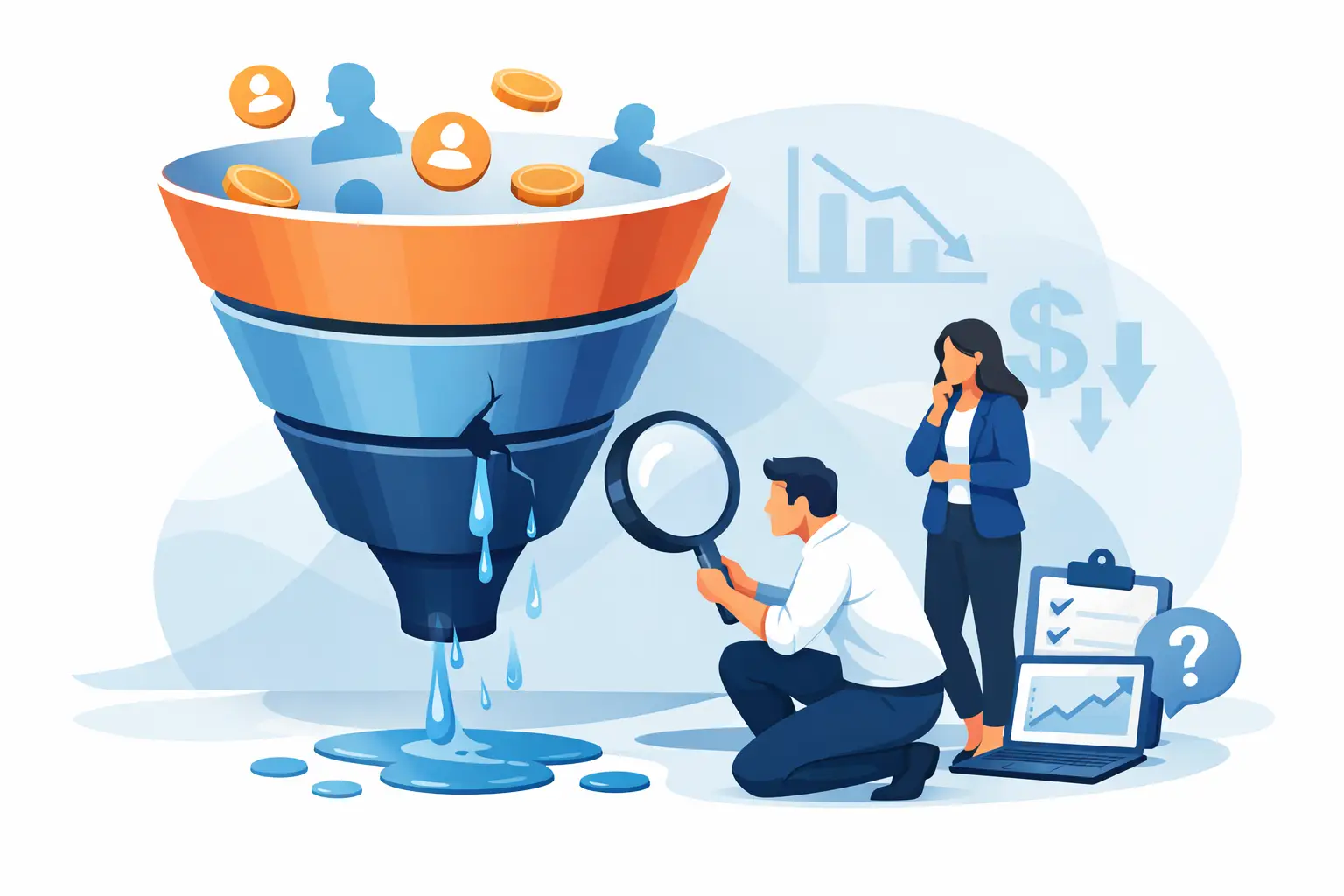
For multi-location brands, reporting should separate locations, service lines, and sources. One office may have plenty of completed requests but weak conversion, which points to message quality or timing. Another may have strong conversion but too few requests, which points to a broken trigger or inconsistent staff workflow. Those are different problems and require different fixes.
Measure the System Like an Operator
Do not judge success only by whether the star average moved this month. Track the full chain: eligible customers, requests sent, delivery rate, click rate, completed reviews, average rating, review recency, and response time.
The most useful metric is often review conversion rate: the percentage of delivered requests that become reviews. If delivery is high but conversion is low, adjust the timing, message, or friction in the review path. If request volume is low, investigate the trigger. If ratings decline, do not immediately change the automation. Read the feedback and find the recurring service failure.
Rivelo treats this as engineered infrastructure, not a standalone widget. The review engine should work alongside your website, local SEO, paid lead flow, AI booking tools, and follow-up workflows. Otherwise, you create more demand while leaving the same intake and service leaks in place.
Start With One Clean Workflow
The right first move is not buying the most feature-heavy platform. Map one high-confidence customer moment, define the trigger, write one clear request, and make sure the system stops when it should. Then measure results for several weeks before adding channels, locations, or complex routing.
Local reputation is built one completed service experience at a time. Make the request routine enough that it never depends on someone remembering at the end of a busy day, but human enough that customers know exactly who they are recommending.